

Landlords Insurance Online :: News
SHARE

Share this news item!

Lithium Battery Fire Risk Puts Boat Cover Under the Spotlight

Why onboard charging habits, storage and policy details now deserve closer attention

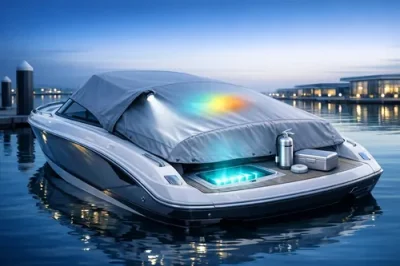
Lithium Battery Fire Risk Puts Boat Cover Under the Spotlight?w=400

The information on this website is general in nature and does not take into account your objectives, financial situation, or needs. Consider seeking personal advice from a licensed adviser before acting on any information.

Fresh marine safety attention on lithium-ion battery fires is a timely warning for Australian boat owners, particularly as more vessels carry rechargeable equipment.
From electric tenders and fishing electronics to portable fridges, power tools, e-foils, scooters and camera gear, modern boating increasingly depends on compact batteries that can store a lot of energy in a small space.

The risk is not that every lithium battery is unsafe. The concern is what can happen when batteries are damaged, poorly charged, exposed to heat, stored near fuel or left unattended in confined spaces. A thermal runaway event can escalate quickly, creating intense heat, toxic smoke and difficult-to-control fire conditions. On a boat, where escape routes may be limited and firefighting resources are constrained, that risk carries both safety and insurance implications.

For boat insurance customers, the practical lesson is to treat battery management as part of vessel risk management. Insurers may look closely at maintenance, safe storage, modifications and whether equipment was used in line with manufacturer instructions when assessing a fire-related claim. If a battery system has been retrofitted, hardwired, upgraded or used to support significant onboard loads, owners should check whether that change affects disclosure obligations, electrical compliance or the insured value of the vessel and accessories.

This is especially relevant for owners of cruisers, yachts, fishing boats and personal watercraft support vessels that now carry multiple devices. It is also important for small commercial operators, including charter and fishing tour businesses, where passenger safety, business interruption and liability exposures can add complexity beyond damage to the hull itself.

Key precautions include:

  • using chargers supplied or recommended by the manufacturer;
  • charging batteries in a ventilated area away from fuel, soft furnishings and escape paths;
  • checking for swelling, corrosion, water ingress or impact damage;
  • avoiding unattended overnight charging where possible;
  • keeping batteries out of extreme heat and direct sun when stored;
  • recording major electrical upgrades and retaining invoices or installation details.

The insurance angle is not limited to fire damage. Battery-related incidents can involve salvage, clean-up, marina damage, third-party property loss and personal injury. That makes it important to read the policy wording, including exclusions for wear and tear, gradual deterioration, unapproved modifications and unattended operation.

Owners should also revisit their accessories and equipment values. Rechargeable marine gear can be expensive, and recent upgrades may not be reflected in an old schedule. Before renewal, it may be useful to estimate an appropriate sum insured so the hull, motors, trailer, electronics and onboard equipment are not understated.

Battery technology is here to stay, but safer habits and clearer insurance records can reduce the chance of a preventable loss turning into a disputed claim.

Published:Wednesday, 12th Aug 2026
Author: Paige Estritori

Please Note: We do not endorse any specific products or companies. Some content is sourced from third parties, including press releases, and may not be independently verified for accuracy or completeness.

Share this news item:

Rate this article

0 Comments

No comments yet. Be the first to share your thoughts.

Insurance News

Why Northern Strata Schemes Still Face Insurance Cost Pressure
19 Aug 2026: Paige Estritori
Fresh industry attention on insurance affordability in northern Australia has reinforced a message many strata communities already understand: premium relief is not delivered by a single reform, even where government-backed risk sharing is in place. For apartment buildings, townhouse complexes and mixed-use strata schemes exposed to cyclone, storm surge, flood or severe rainfall, insurers are still looking closely at the physical characteristics of each building before deciding price, excesses and available cover. - read more
Insurance Summit Agenda Puts Life Cover Strategy in Focus
19 Aug 2026: Paige Estritori
The agenda for the 2026 AFR Insurance Summit points to an insurance sector that is increasingly focused on affordability, technology, trust and operational resilience. While much of the summit is framed around the broader insurance market, the themes are highly relevant for employers, CFOs and directors reviewing corporate life insurance, group salary continuance, key person cover and executive protection arrangements. - read more
Insurance Complaint Trends Are a Timely Warning for Tradies
19 Aug 2026: Paige Estritori
Fresh complaint trends across the Australian insurance market are another reminder that the real test of any policy often comes after something has gone wrong. While many disputes involve household cover, the same pressure points can affect tradies who rely on tools, vehicles, plant, public liability cover and income protection to keep work moving. - read more
Life Insurance Code Review Puts Customer Treatment Back in Focus
19 Aug 2026: Paige Estritori
The review of Australia’s Life Insurance Code of Practice has moved from a broad governance discussion into a more practical question for households: what should good insurer behaviour look like when people apply for cover, update a policy or make a claim? - read more
What the Next Advice Reform Steps Mean for Business Cover
19 Aug 2026: Paige Estritori
Australia’s financial advice reform agenda has moved from broad policy debate into the more practical question of how advice will be delivered, documented and accessed. For business owners, this matters because life insurance decisions are rarely isolated personal choices. They often intersect with debt facilities, director guarantees, shareholder agreements, succession plans and family wealth protection. - read more


Landlords Insurance Articles

How loss of rent and tenant default cover may work in landlord insurance
Loss of rent and tenant default cover can both relate to missed rental income, but they usually respond to different events. This guide explains the common differences, claim triggers, limits and policy conditions Australian landlords should check before relying on either cover. - read more
Is Landlord Insurance Mandatory in Australia? What Every Landlord Should Know
Landlord insurance is a specialized type of insurance designed to protect property owners who rent out their properties. While standard home insurance covers owner-occupied homes, landlord insurance provides additional coverage for risks associated with tenants. This includes protection against damages to the property, loss of rental income, and liability claims arising from tenant-related incidents. - read more
What are the common exclusions in landlord insurance policies?
Landlord insurance is a specialized type of coverage designed to protect property owners who rent out their residential or commercial properties. This insurance typically provides financial support in the event of damage to the property, loss of rental income, and liability claims from tenants or visitors. Essentially, it helps ensure that landlords are safeguarded against potential risks and unexpected financial burdens. - read more
Understanding Landlord Insurance: Does It Cover Tenant Damage?
Landlord insurance is a specialized type of insurance designed to protect property owners who rent out their properties. It covers a range of risks that landlords face, including damage to the property, loss of rental income, and liability for injuries that may occur on the premises. - read more
What Does Your Landlord Insurance Truly Cover? A Comprehensive Guide
Landlord insurance is a specialized type of insurance designed to protect property owners from potential risks associated with renting out their property. Unlike standard home insurance, which typically covers owner-occupied residences, landlord insurance offers tailored coverage that addresses the unique challenges faced by landlords. - read more

Knowledgebase
Liability Insurance:
A type of insurance that provides protection against claims resulting from injuries and damage to people and/or property.