The information on this website is general in nature and does not take into account your objectives, financial situation, or needs. Consider seeking personal advice from a licensed adviser before acting on any information.
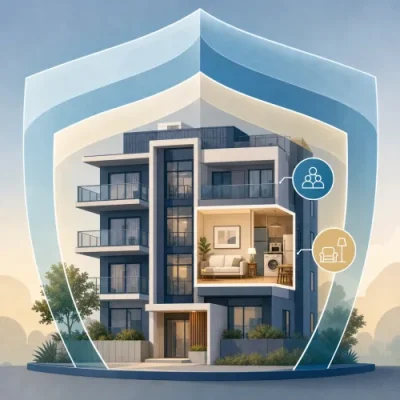
If your rental property is part of a strata scheme, the building may already be insured through the owners corporation or body corporate. However, strata insurance and landlord insurance usually protect different risks, so Australian landlords should understand where cover may overlap, where gaps can exist and what questions to ask before choosing a policy.
Owning a rental unit, apartment or townhouse in a strata scheme can make insurance feel less straightforward. You may already contribute to strata levies that include insurance for the building or common property, but that does not automatically mean every landlord risk is covered.
For strata-titled investment properties, landlords insurance may still be relevant for risks linked to renting out your lot, such as landlord contents, tenant-related damage, loss of rent, rent default or legal liability. The right approach depends on the strata scheme, the policy held by the owners corporation or body corporate, your own lot boundaries and the landlord insurance policy terms.
How strata insurance usually works
In Australia, strata schemes are generally managed by an owners corporation, body corporate or strata company, depending on the state or territory. That entity commonly arranges insurance for the building and common property on behalf of lot owners.
Strata insurance often covers shared areas and structural parts of the property, such as common walls, roofs, stairwells, lifts, driveways, foyers, external windows and other common assets. It may also include public liability cover for common areas.
However, strata insurance is not the same as landlord insurance. It is arranged for the strata scheme as a whole, not specifically for your rental arrangement with your tenant. It may not cover your landlord contents, tenant-related risks, rent loss or your liability exposures inside the rented lot.
Because strata rules and lot boundaries can vary, landlords should not assume a particular item is covered simply because it is inside a unit or attached to the building. The strata plan, by-laws, product disclosure statement and certificate of currency can help clarify what is insured.
Where landlord insurance for strata property may fit
Landlord insurance for units, apartments and strata properties is designed to address risks that may sit outside the strata policy. The exact cover available depends on the insurer, the policy type and your circumstances.
Landlord contents
Landlord contents can be especially important for strata properties. Even if the strata policy covers the building, it may not cover items you own within the lot. These can include carpets, curtains, blinds, light fittings, appliances, furniture in a furnished rental, portable air conditioning units or other fixtures and fittings that are not treated as part of the insured building.
What counts as landlord contents can differ between policies. Some items that appear fixed may be treated differently depending on the strata scheme and the insurer, so it is worth checking definitions carefully.
Tenant-related damage
Some landlord insurance policies may cover certain types of tenant-related damage, such as accidental damage or malicious damage, subject to policy wording, limits and exclusions. Strata insurance may not respond to damage that is considered part of your lot or your landlord contents.
If tenant damage affects common property, both the strata insurer and your landlord insurer may need to be involved. The claim outcome will depend on what was damaged, who owns or is responsible for the item, and the policy terms.
Loss of rent and rent default
Strata insurance generally does not protect your rental income simply because your tenant stops paying rent or because your lot becomes uninhabitable due to an insured event. Some landlord insurance policies offer loss of rent or rent default cover, although the triggers, waiting periods, limits, evidence requirements and exclusions can vary significantly.
For example, rent-related cover may depend on whether there is a valid lease, whether the event is insured, whether the tenant has abandoned the property, or whether required notices and tribunal processes have been followed. Landlords should review these conditions before relying on the cover.
Legal liability inside the lot
Strata insurance may include liability cover for common areas, such as foyers, stairs, lifts and shared driveways. It may not cover liability claims connected to hazards within your rented lot or your responsibilities as a landlord.
Landlord legal liability cover may help with certain claims if someone is injured or suffers property damage in connection with the rented premises and you are legally liable. As always, exclusions, limits and circumstances matter.
Building cover for strata lots
Many apartment landlords may not need separate full building insurance if the strata policy properly covers the building. However, this should be checked rather than assumed. Some strata-titled townhouses, villas or duplex-style properties may have different insurance responsibilities depending on the strata arrangement.
Landlords should confirm whether the strata policy covers the building structure, whether any lot owner improvements are included, and whether there are areas of the property they are individually responsible for insuring.
Strata insurance and landlord insurance compared
| Insurance issue | Strata insurance may cover | Landlord insurance may cover |
|---|
| Building and common property | Shared structures and common areas, depending on the strata policy and scheme | May be limited or unnecessary for some apartments, but relevant for some strata arrangements |
| Landlord-owned contents | Often not the focus of the strata policy | Items such as carpets, blinds, appliances or furniture, depending on definitions |
| Tenant damage | May apply if common property or insured building elements are damaged | May apply for covered tenant-related damage to the lot or landlord contents |
| Loss of rent | Usually not designed to protect an individual landlord's rental income | May be available for certain insured events or rent default scenarios |
| Liability | Often focused on common property liability | May apply to landlord liability connected with the rented lot |
Questions to ask before choosing cover
Before buying or renewing landlord insurance for a strata property, it can help to gather the key documents and ask practical questions. These may include:
- What does the strata building policy actually cover?
- Is there a current certificate of currency for the strata insurance?
- Where are the lot boundaries under the strata plan?
- Are carpets, floating floors, blinds, curtains, appliances and air conditioners covered by strata insurance or treated as lot owner property?
- Does the strata policy cover improvements or renovations made inside the lot?
- What excess applies to strata claims, and who pays it in different situations?
- Does the landlord policy cover furnished rentals, if relevant?
- Are accidental damage, malicious damage, rent default or loss of rent included or optional?
- What exclusions apply if the property is vacant, used for short-term rental or not maintained?
For a broader explanation of policy components, you can also review this guide to what landlord insurance can cover.
Avoiding overlap and insurance gaps
The goal is not simply to buy more insurance. It is to understand which risks are already covered by the strata scheme and which risks remain your responsibility as the landlord.
Overlap can happen when a landlord pays for building cover that is already provided through strata insurance. Gaps can happen when the landlord assumes strata insurance covers items or risks that it does not, such as landlord contents, rent default or certain liability issues.
Premiums and available cover can be influenced by factors such as the property location, building type, claims history, tenancy arrangement, security features, excess, cover limits and optional extras. If you are comparing possible costs and cover levels, the site's insurance calculators may help you think through the financial side before seeking quotes.
How claims can work when strata and landlord policies both matter
Claims involving strata properties can involve more than one party. For example, a water leak from an upstairs unit might damage common property, your lot and your landlord contents. In that situation, the strata manager, strata insurer, affected lot owners, your tenant and your landlord insurer may all need to be notified.
Good records can make the process easier. Keep copies of the lease, condition reports, inspection notes, photos, repair invoices, strata correspondence, by-laws and insurance documents. If damage occurs, take reasonable steps to prevent further loss where safe to do so and report the issue promptly to the relevant insurer or strata manager.
Claim responsibility is not always obvious at the start. It may depend on the source of the damage, what property was affected, who owns the damaged item and what each policy says.
Common mistakes strata landlords make
- Assuming strata insurance covers everything inside the unit. Items within the lot may be your responsibility.
- Forgetting landlord contents. Carpets, blinds and appliances can be costly to replace if they are not insured elsewhere.
- Ignoring rent-related risks. Strata insurance is generally not designed to protect your rental income.
- Not checking short-term rental rules. Standard landlord policies may not cover short-stay arrangements unless specifically allowed.
- Overlooking exclusions. Vacancy, wear and tear, poor maintenance and unapproved alterations can affect claims.
- Relying on old strata documents. Policies, excesses and insured items can change at renewal.
When to seek help
Strata insurance can be technical, especially where lot boundaries, renovations, common property and landlord contents overlap. If you are unsure what is covered, ask the strata manager for current insurance documents and speak with the insurer or an insurance professional about how your landlord policy would respond.
You can also seek broker guidance if you want help comparing policy options or understanding how different insurers treat strata-titled rental properties. Any policy decision should be based on your own property, tenancy arrangement, risk tolerance and the terms offered by the insurer.
Key takeaway for strata landlords
Strata insurance may protect the building and shared property, but it does not automatically replace landlord insurance. If you rent out a unit, apartment, townhouse or other strata-titled property, consider what the strata policy covers, what you personally own inside the lot, and what rental risks remain.
By checking the strata documents and comparing landlord insurance features carefully, you can reduce the chance of paying for unnecessary overlap while also avoiding important gaps in cover.
Published: Wednesday, 19th Aug 2026
Author: Paige Estritori



No comments yet. Be the first to share your thoughts.